



Shoshoni
Where Geological Marvels Leave you Wonderstruck
Welcome to Shoshoni
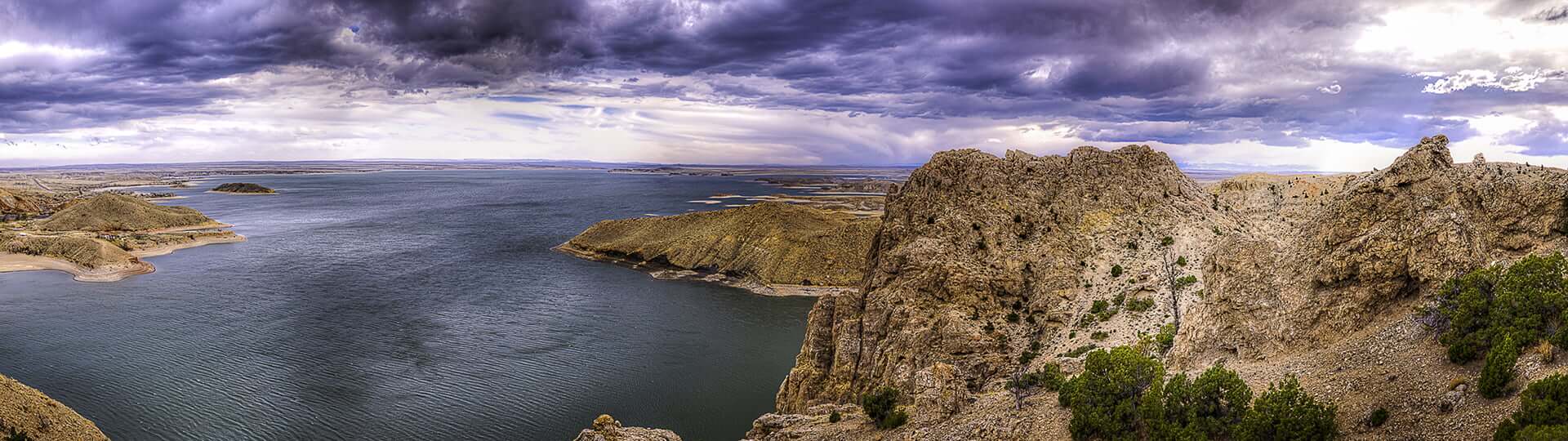
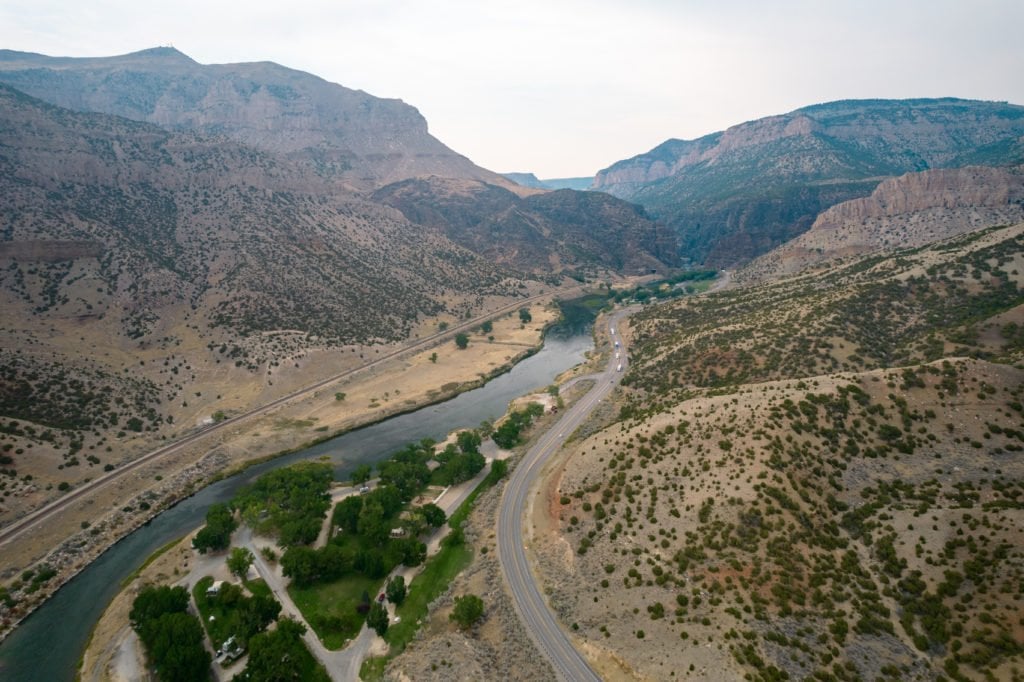
Shoshoni sits at the gateway to Wind River Canyon, where steep cliffs rise above the river and the road winds through one of Wyoming’s most striking landscapes.
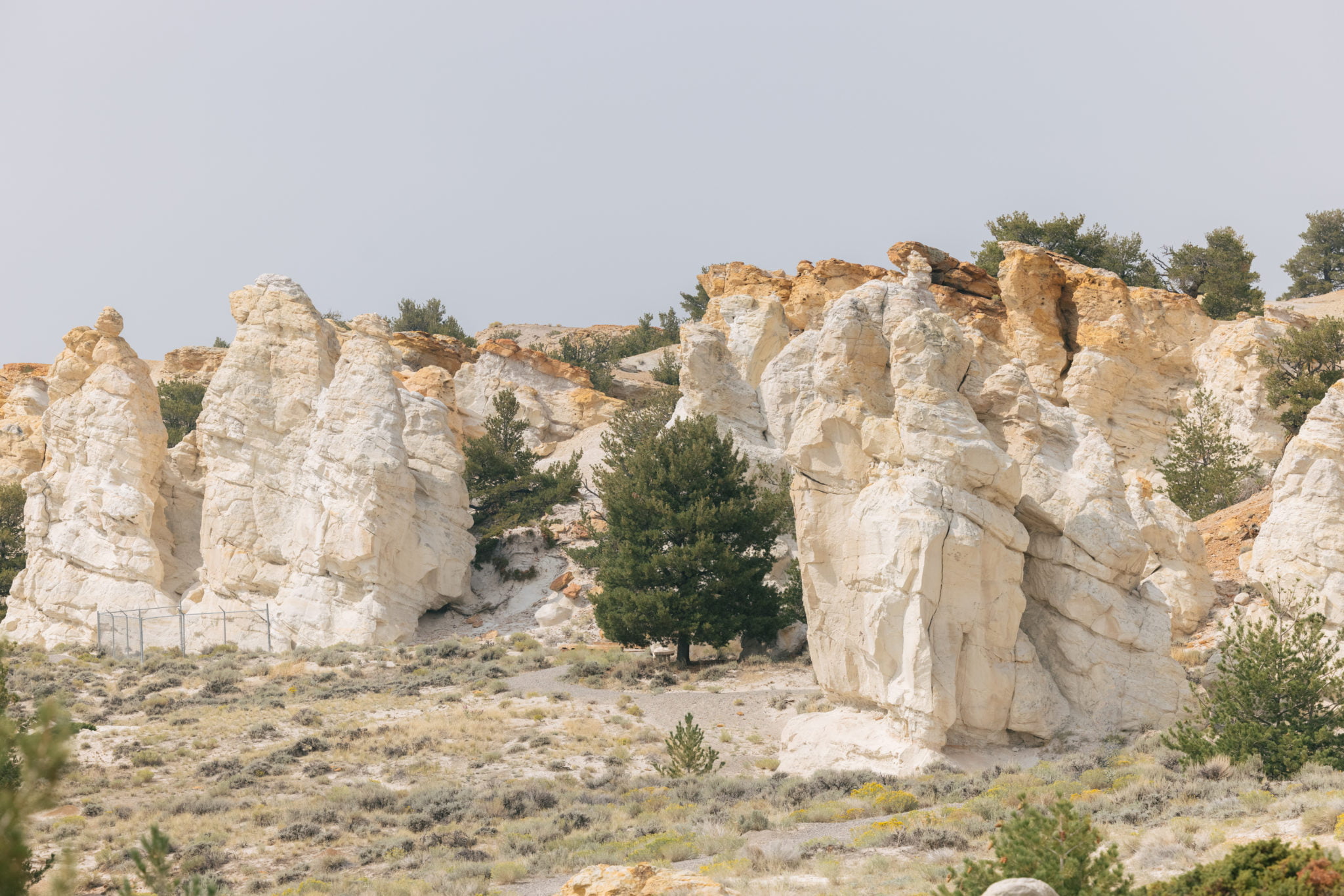
Just outside town, Boysen Reservoir opens up for boating, fishing and wide-open views, while the surrounding hills draw rockhounds in search of agate, petrified wood and other natural finds.
Small in size but central to it all, Shoshoni is a natural starting point for exploring this part of Wind River Country.
Fun Facts
Population
About 650 residents
Elevation
4,823 feet above sea level
What the Area Is Known For
Shoshoni is a crossroads community in the Wind River Basin, known for its access to Boysen Reservoir and nearby Boysen State Park, where visitors enjoy boating, fishing and camping.
Events
Community celebrations and seasonal local gatherings throughout the year
Events and recreation programs at Boysen State Park
What Awaits You When You Arrive in Shoshoni
Local Resources in Shoshoni
Shoshoni Town Hall
102 East 2nd Street
Shoshoni, WY 82649
Phone: (307) 876-2515
Shoshoni Chamber of Commerce
216 Idaho Street
Shoshoni, WY 82649
Phone: (307) 876-2777
Email: [email protected]
Website: shoshonichamber.org
Hook, Splash, & Catch at Boysen Reservoir & State Park
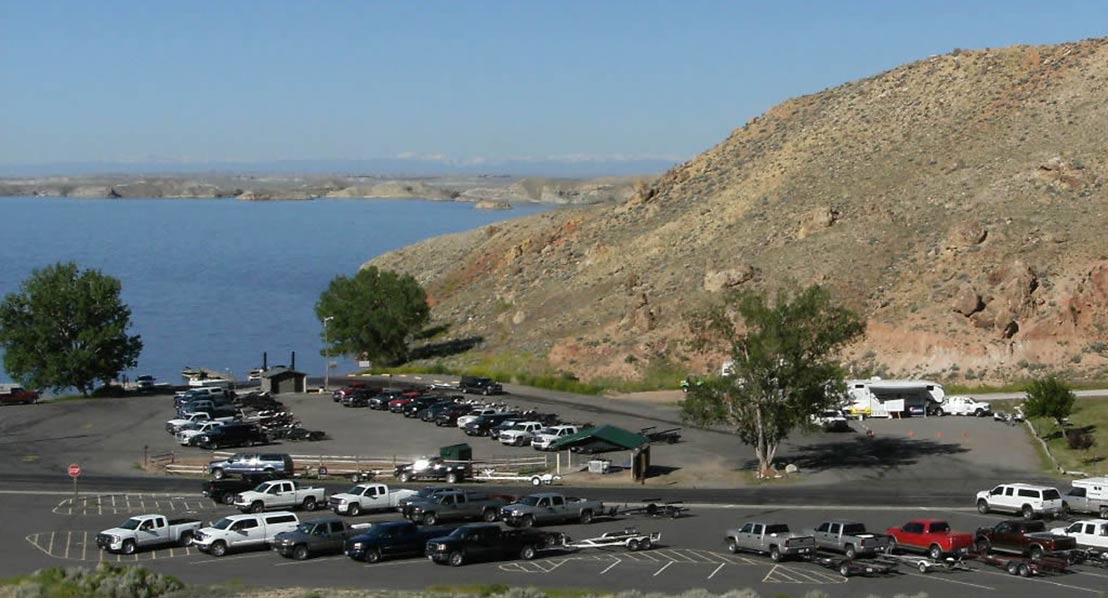
Head to Boysen Reservoir and Boysen State Park for time on the water. Fish for walleye, perch, trout and more, or spend the day boating, swimming and exploring the shoreline.
Curious About Wind River Country? Start Here
Learn more about Shoshoni through stories that explore its history, landscape and role as a crossroads in the Wind River Basin. These podcasts offer added context and ideas for planning your time in the area.
Road Trip to Stunning Reservoir & Wild Canyon Views
Start in Shoshoni and follow the road toward Boysen Reservoir and Wind River Canyon. This driving route connects water, rock formations and wide-open views into one continuous journey.
Vintage Engine Exhibits, Foodie Fun, & Tractor Drives
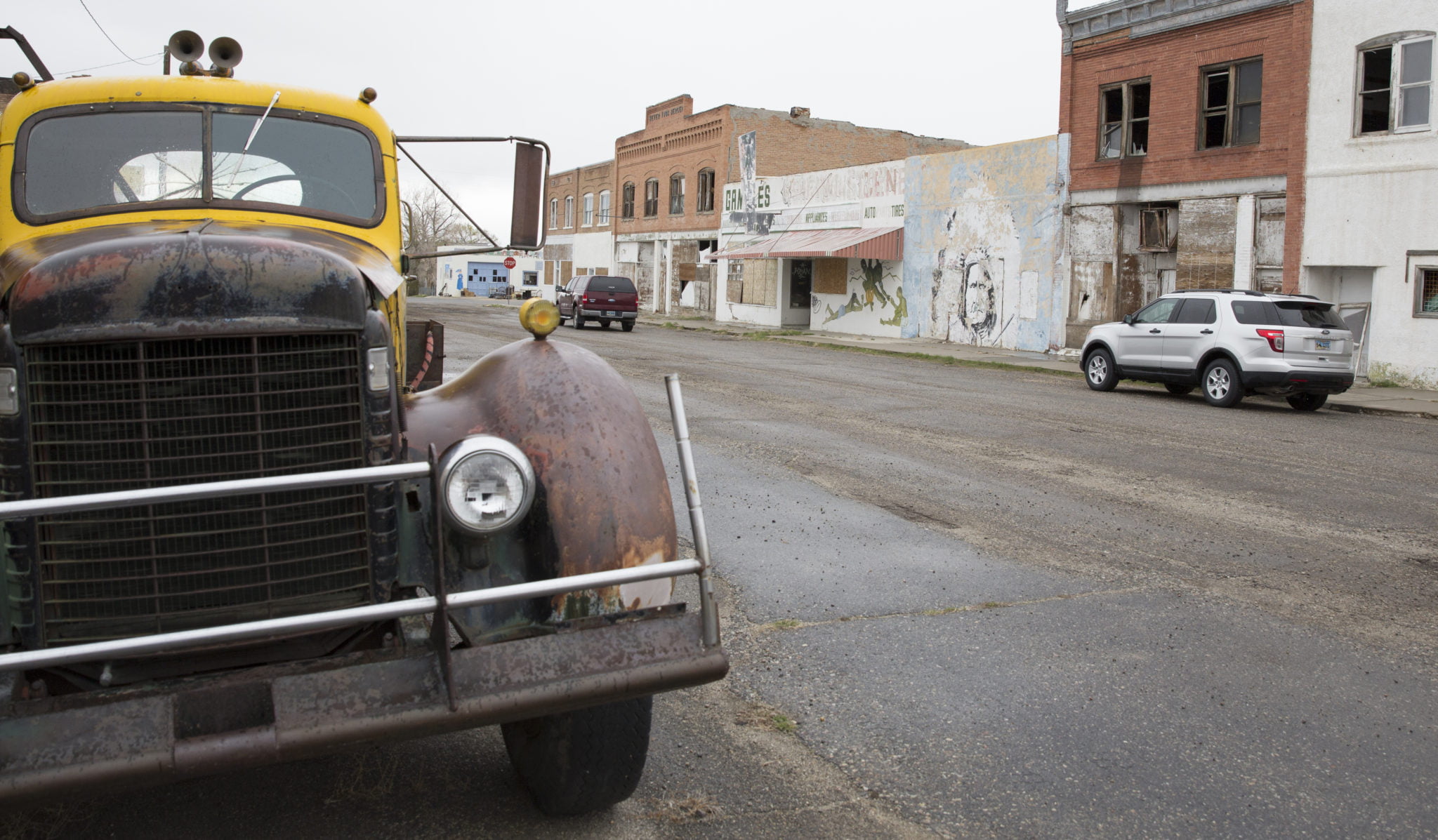
Each year, the Flywheelers Antique Engine & Tractor Show brings together vintage machinery, demonstrations and community gatherings that reflect the area’s agricultural roots.
In Town for These Events
See what’s happening nearby and add a local event to your time in Shoshoni and the surrounding area.
Businesses in Shoshoni

B & K Shoreline Stop
Shoshoni, WY 82649
Shoshoni Chamber of Commerce
Shoshoni, WY 82649
Boysen State Park
Shoshoni, WY 82649
Art Shanley Arena
Shoshoni, WY 82649
Shoshoni Senior Center
Shoshoni, WY 82649
Get Hooked
Shoshoni, WY 82649
Follow Shoshoni in Real Time
See Shoshoni as it happens, from canyon drives and reservoir views to everyday moments around town. Follow along and share your experience by tagging @windrivercountry.
Sometimes all you need is a change of scenery. 🌄 Wind River Country is waiting.
Photo: Davis Clem
#WindRiverCountry #Wyoming #ThatsWY
Aug 31

"The landscape of the American West has to be seen to be believed and has to be believed to be seen." – N. Scott Momaday
#WindRiverCountry #Wyoming #ThatsWY
Photo: Wind River Country, Brady McLean
Aug 28
Explore the stories, history and traditions of the Wind River Indian Reservation.
As the only reservation in Wyoming and home to the Eastern Shoshone and Northern Arapaho tribes, it`s a place rich in culture and heritage. Take the self-guided driving tour to learn more about the people, places and history that make this landscape so special.
Want to learn more? Visit the link in our bio.
#WindRiverCountry #Wyoming #ThatsWY
Photo: Wind River Country
Aug 27
If you`re ready to find room to breathe and space to roam, take a deep dive into the heart of Wind River Country.
Start planning in our bio.
#WindRiverCountry #Wyoming #ThatsWY
Photo: Bill Sincavage
Aug 26
As we`re approaching hunting season, there`s no better photo opp than this.
#WindRiverCountry #Wyoming #ThatsWY
Aug 22
While we`ve got lots of hidden gems in Wind River Country, Sinks Canyon is one of the coolest. It`s located at the base of the Wind River Mountains, with landscapes that include foothills, forests, waterways and more. Plus, it`s a short drive from Lander.
Photo: Wind River Country
#WindRiverCountry #Wyoming #ThatsWY
Aug 19
Saddle up and experience Wyoming the way it was meant to be experienced. 🐴
Guest ranches and outfitters throughout Wind River Country offer guided pack trips that take you deep into some of Wyoming`s most breathtaking backcountry.
Start planning your stay in our bio.
Photo: Bill Sincavage
#WindRiverCountry #Wyoming #ThatsWY
Aug 17
We love a good waterfall moment.
Photo: Tori Jones
#WindRiverCountry #Wyoming #ThatsWY
Aug 14
If you`re ready to find room to breathe, take a deep dive into the heart of Wind River Country by learning more from our friends at Cowboys & Indians.
Read the full story at the link in our bio.
Photo: Wind River Country
#WindRiverCountry #Wyoming #ThatsWY
Aug 12
Cheers to a new week! Tell us, where is your favorite place to grab a cold beverage?
Photo: @bradytildeath
@rusticpinetavern
#WindRiverCountry #Wyoming #ThatsWY
Aug 11
Welcome to Shoshoni, the crossroads of Wyoming.
https://windriver.org/destinations/shoshoni/
Aug 7
For the inside scoop on all things Wind River Country, be sure to sign up for our newsletter. Link in the bio.
#WindRiverCountry #Wyoming #ThatsWY
Aug 5